
An insurance guide for Charlotte landlords and renters
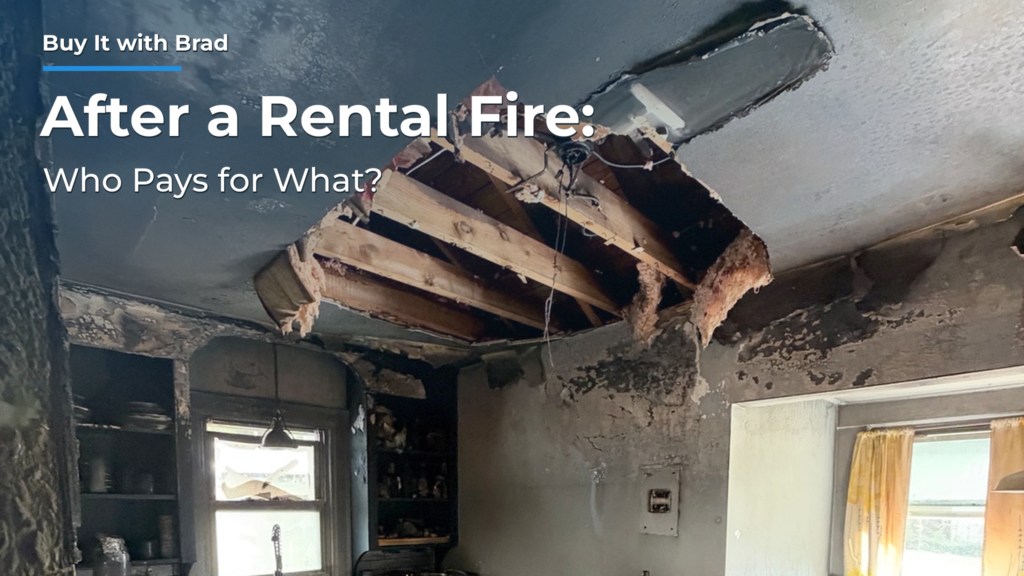
The rent stops. The mortgage doesn’t. A recent fire at a rental property showed me how much can be at stake for both landlords and tenants. In the aftermath, the tenant needs somewhere to stay. You need to find out what can be repaired. Before anyone has the full picture, the questions start: Who replaces the tenant’s belongings? What happens to the rent? How much will insurance actually pay?
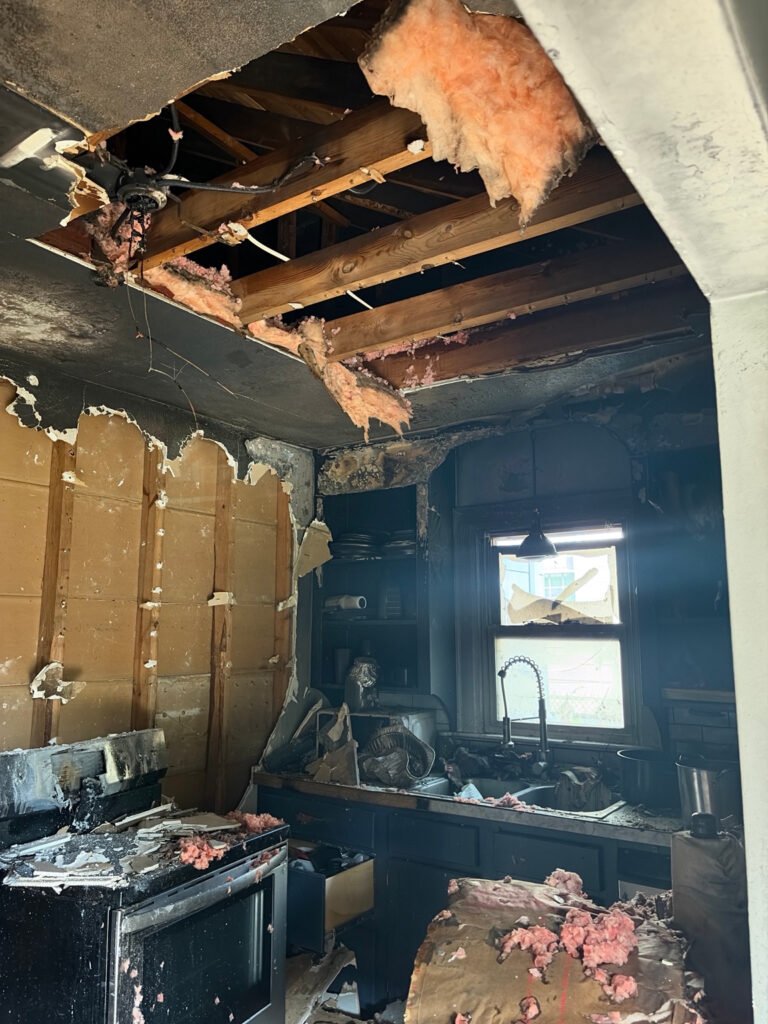
Saying “the property is insured” does not answer all those questions. This was a real incident. I’m withholding names and identifying details to protect the people involved, and the financial figures below are illustrative rather than the actual loan, coverage or claim amounts.
WSOC-TV reported on the November 3, 2026 fire in west Charlotte and, citing Charlotte Fire, said no one was injured. Read the local report. It’s a local reminder to review coverage before a loss!
The lesson I want to share with other Charlotte investors comes down to three things: a safe, maintained property; appropriate landlord coverage; and renters insurance that tenants understand and keep active. Each addresses a different risk. None replaces the others.
Start with a safe and maintained property
Insurance should sit alongside maintenance, qualified repair work and good records. It should never become a reason to delay a safety issue.
An electrical or mechanical problem can raise liability questions, but it does not automatically make the landlord responsible. What caused the damage, whether the owner met their obligations and what they knew about the problem all matter. I’d have a North Carolina attorney review the facts of an actual incident. State law also says a violation of these landlord duties is not automatically negligence. North Carolina General Assembly remedies provision
Unpermitted work can also raise code-compliance and liability questions where permits were required. It does not automatically establish the cause of a fire, liability or an insurance denial. Before buying or renovating, have qualified professionals review questionable work and confirm applicable permits and inspections with the local authority. Get a home inspection and check permit records for improvements to the property. Check smoke detectors, make sure they are in good working order, and give tenants clear instructions for reporting problems promptly. That reporting process does not replace the landlord’s safety obligations. Personally, I like to do a walkthrough of my rental properties once a year, taking photos, changing batteries and replacing fire extinguishers when needed. Take notes and keep them with your records.
North Carolina’s landlord duties include complying with applicable building and housing codes and keeping rental premises fit and habitable. G.S. 42-42 also addresses safe operation and prompt repair of landlord-supplied systems and appliances, including electrical and heating systems. Its repair-notice rules include exceptions for emergencies. Unsafe wiring is specifically listed among imminently dangerous conditions requiring action after actual knowledge or notice. North Carolina General Assembly
Match landlord coverage to the property
Tell your insurance agent exactly how the property is used. A long-term rental, short-term rental and owner-occupied home need different coverage. A standard homeowners policy may not cover losses associated with rental use. Get the insurer’s confirmation before a tenant moves in or the rental arrangement changes.
I’d review the building, liability and rental-income coverage with a licensed insurance professional. I try to make sure my loss of use coverage is sufficient to cover an extended period. This can come in handy if major issues arise and the home is uninhabitable.
Check rebuilding cost rather than relying on the mortgage
For illustration only, consider a $280,000 mortgage balance and a $225,000 dwelling limit. The $55,000 difference is a reason to review the policy, but it does not automatically mean that is what I would owe after a claim. The payout depends on the policy and the loss. I’d review my lender’s requirements and make sure the dwelling coverage reflects rebuilding costs.
I’d ask my insurance agent to review both my lender’s requirements and what it would cost to rebuild the house today. The loan tells me what I owe, but it does not tell me what reconstruction will cost. The purchase price can include land, too. I want the dwelling limit checked against a current rebuilding estimate, not just the mortgage balance.
Review whether losses are settled on an actual-cash-value or replacement-cost basis, what deductibles apply, and what conditions must be met to receive replacement-cost benefits. A coverage limit is not a guaranteed payout. Endorsements, exclusions, covered damage and the lender’s claims process can affect the outcome.
Confirm liability protection is actually there
Do not assume a policy covering the building also includes landlord liability. The North Carolina Department of Insurance says dwelling fire policies typically do not include liability coverage. It may require an endorsement or separate policy. North Carolina DOI dwelling policies
Ask your agent where liability coverage is provided, whether it covers this rental use, which owners or ownership entity are insured, and what limits and exclusions apply. Discuss whether an umbrella policy is appropriate and whether it would cover this property.
Renters insurance does not eliminate the landlord’s duties or prevent someone from making a claim against the owner. Keep your own liability protection and maintenance practices in place.
Review rental income after a covered loss
If a covered event makes the property uninhabitable, loss-of-rental-income or fair-rental-value coverage may help during repairs. Coverage depends on the policy and may have a defined time limit. Insurance Information Institute
Ask what triggers the coverage, how the loss is calculated, what dollar and time limits apply, and which records the insurer needs. Do not assume it covers ordinary vacancy or every missed rent payment. Have the agent identify the exact terms, then plan cash reserves for deductibles, delays and expenses the policy does not cover.
I ran into this with one of my Airbnbs during Hurricane Helene. My house in Beech Mountain was unscathed, but my short-term bookings were canceled. Because my home remained habitable, my insurance did not cover the lost reservations. That was the outcome under my policy, not a rule for every rental or every disaster. I’d ask an agent how my coverage would respond if the home were undamaged but guests could not travel to it.
Explain renters insurance when the lease is signed
I make the insurance conversation part of lease signing, while the tenant has time to ask questions and arrange coverage.
Explain clearly that the landlord’s policy ordinarily does not cover the tenant’s personal belongings. A damaged building and damaged furniture are separate insurance questions.
Renters insurance typically addresses personal belongings and personal liability. Loss-of-use coverage may help with necessary increases in living expenses after a covered event makes the home uninhabitable, subject to limits and policy terms. It is not an unlimited promise to pay every hotel or food bill. North Carolina DOI renters insurance
Encourage tenants to ask their insurer about their belongings limit, deductibles, replacement-cost options, liability coverage and temporary living expenses. They should also keep an inventory and photos of their possessions.
For landlords who use a renters insurance requirement, explaining it is only the first step. Make verifying coverage at move-in and at renewal part of the management process. Ask for current evidence showing the insured tenant, rental address, effective dates and any coverage required by the lease. Track the policy expiration date, which may differ from the lease renewal date. A document confirms information at that point in time; it is not a guarantee the policy will remain active.
How renters insurance affects landlord risk
It can give tenants a separate source of coverage for eligible losses and make the coverage clearer. That is useful for both sides.
But it does not transfer the owner’s responsibilities to the tenant, prove who caused a fire, guarantee payment for building damage or eliminate lawsuits. A tenant’s policy may respond to a covered liability claim against the tenant; the facts and policy terms control. The landlord still needs suitable coverage and a safe, maintained property.
A practical move in and renewal checklist
At lease signing and before move-in:
- Explain that the landlord’s policy ordinarily excludes the tenant’s belongings.
- Explain any renters insurance requirement in the lease and invite questions.
- Obtain current evidence of required coverage and record its expiration date.
- Confirm the owner’s policy reflects the property’s rental use.
- Document condition, address safety issues and provide clear repair-reporting instructions.
At lease renewal and policy renewal:
- Request updated evidence of tenant coverage under your reviewed process.
- Recheck the owner’s rebuilding estimate, liability protection and rental-income limits.
- Tell the insurer about relevant renovations, occupancy or use changes.
- Review maintenance records and unresolved repair requests.
I’d use this as a starting point for a first-time landlord’s operating checklist and keep the records organized so they are accessible when needed.
If a major loss happens
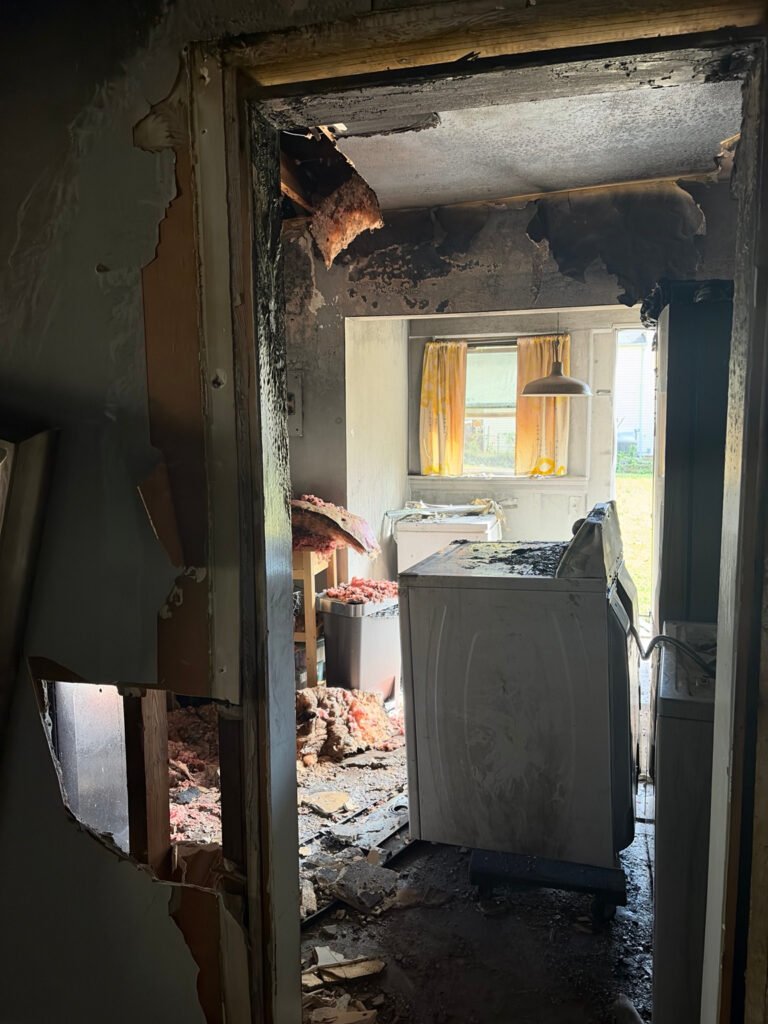
Put safety first, contact the insurer promptly and notify the mortgage company. When safe, document damage, keep receipts and ask about temporary protection, inspections, repair authorization and deadlines. Avoid extensive repairs before the adjuster can inspect unless necessary immediate measures have been coordinated appropriately. North Carolina DOI fire recovery North Carolina DOI loss documentation
Do not guess at the cause or promise a tenant that a particular policy will pay. Let the investigation and coverage review establish the facts.
“Their insurance should be structured to protect their ownership and liability exposures.”
Sean O’Brien
Account Executive, Goosehead Insurance
Connect with Sean O’Brien
Sean O’Brien
Account Executive · Goosehead Insurance
Questions for an insurance agent
I asked Sean O’Brien, Account Executive at Goosehead Insurance, what landlords and renters should review before a loss. The quotations below are excerpts from his responses, used with his permission. The “What I’d check” notes and replacement-cost clarification are my editorial context, with links for further reading. They are separate from Sean’s quoted comments.
Question 1 What’s the biggest coverage gap you see rental-property owners overlook?
Question 2 How should a landlord determine the right building coverage amount, and why can the mortgage balance be a misleading benchmark?
Question 3 After a covered fire, what should owners understand about lost-rent coverage, including limits and how long it lasts?
Question 4 What can renters insurance cover for belongings, temporary housing and damage a tenant accidentally causes? What important exclusions should people ask about?
Question 5 Where does a tenant’s liability coverage end and the landlord’s responsibility begin, especially if defective wiring or maintenance contributes to a loss?
Question 6 What should landlords verify about their own policy and a tenant’s renters policy at move-in and renewal?
Make protection part of the investment plan
My takeaway is to make room in the investment plan for insurance, maintenance and reserves as well as the mortgage. Review all three before buying, then revisit them as the property and rental arrangement change.
Planning to buy an investment property in Charlotte? Connect with me to talk through your real estate goals. I also encourage you to bring a licensed insurance professional into the process before closing.
This article provides general information, not insurance or legal advice. Coverage depends on the policy, endorsements, exclusions and facts of a loss. Consult a licensed insurance professional and, when appropriate, a North Carolina attorney about your situation.
Bring your questions. We’ll start with what matters to you.
Start a conversation